Service
Underground Leak Detection
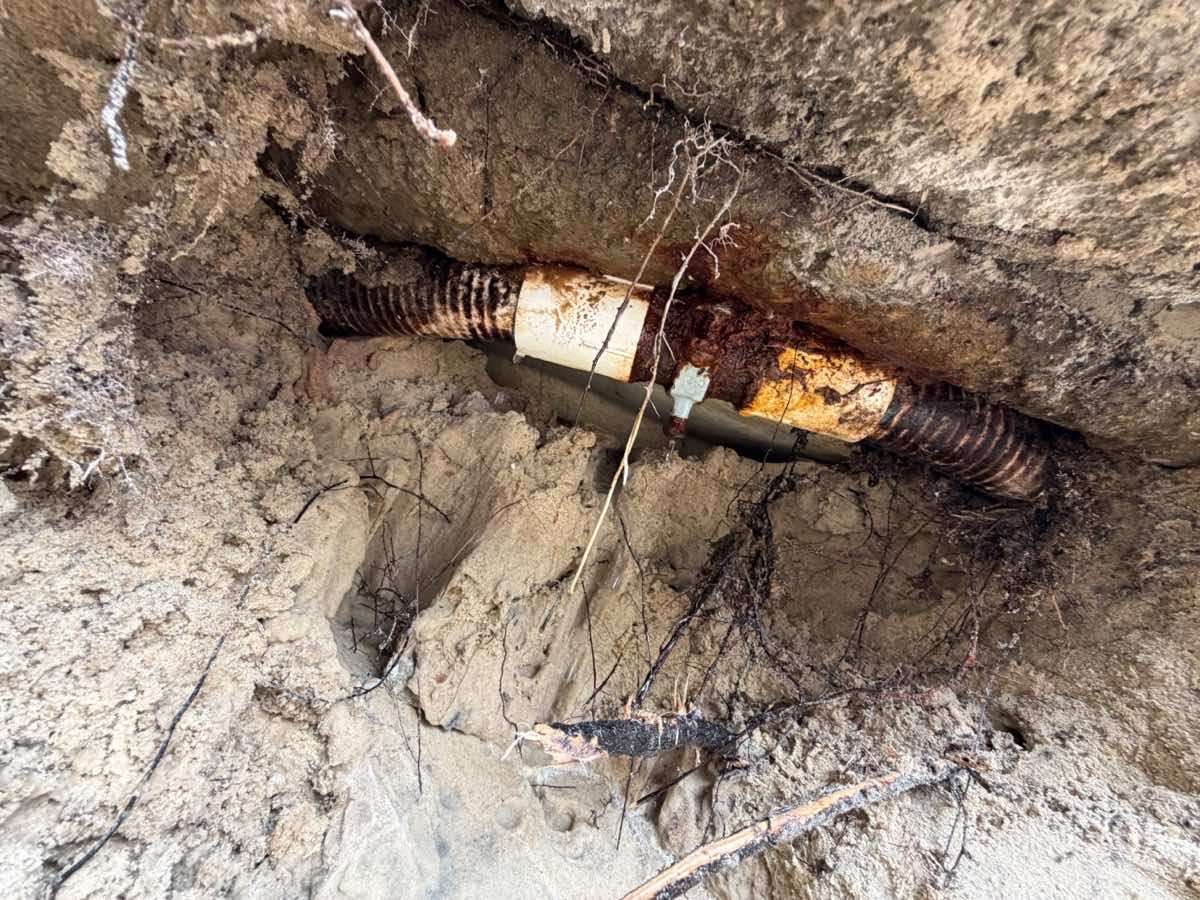
Underground leaks are where guessing gets expensive. A pool line can run twenty feet under the deck from the equipment pad to the pool and leak at a single joint. The only affordable way to deal with that is to know which joint is leaking before anything is opened. We locate leaks in buried pool lines throughout our Florida service areas.
How we find a buried leak
We isolate and pressurize the buried lines between the pump and the pool so the leak makes a steady sound we can follow. Acoustic equipment narrows down its position along the line, and we mark the surface above it.
These are two separate steps. Pressure testing shows which buried line is leaking. Acoustic locating shows where along that line the water is escaping. Testing without locating leaves you digging up a whole line; locating without testing means listening to pipes that were never the problem.
For us, underground leak detection covers the pool’s own plumbing: the lines that run from the pump to the pool, and the plumbing beneath the pool itself, including the main drain.
Signs of an underground leak
- Soft or sinking ground
- Settling pavers, or a patch of deck that sounds hollow, between the equipment pad and the pool.
- Wet ground without rain
- An area near the equipment pad, or along the line to the pool, that stays wet when it has not rained.
- Loss only with the pump running
- If the water drops while the pump runs and holds when it stops, the leak is likely in the lines under pressure.
- Loss only with the pump off
- The opposite pattern points to a different part of the system. Both are useful clues.
Tell us about your pool
Describe what you are seeing, and we will tell you what it may mean and what a visit would involve. If the water level is dropping fast, call us. You will reach a family-owned, owner-led team.
Can you find a buried leak without digging?
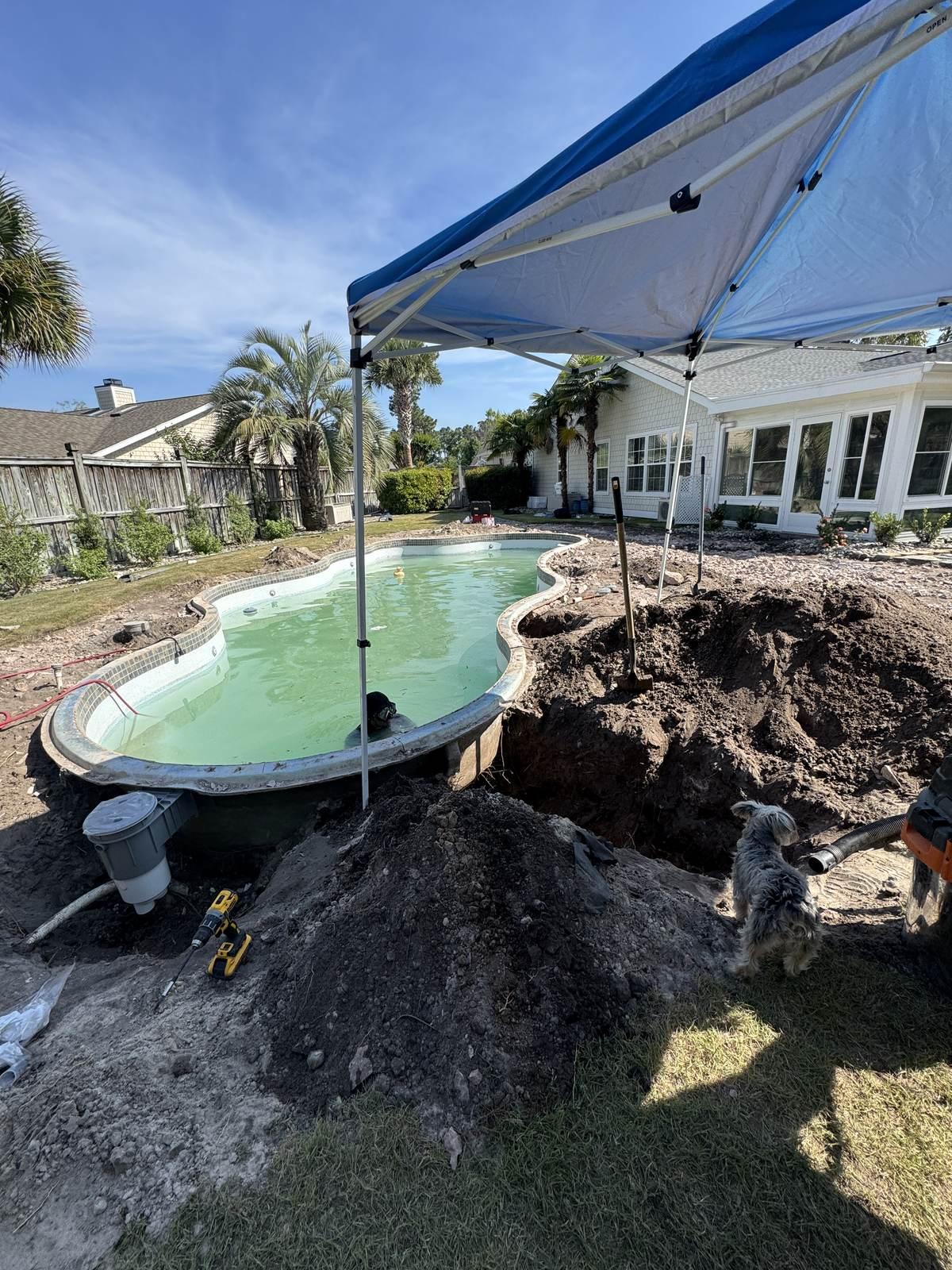
Yes, that is what the equipment is for. Repairing the leak does mean opening the ground at that spot, which is why an exact location matters.
How accurate is the location?
Accurate enough to open a small, specific area rather than dig a trench. Depth, surface type and background noise all affect accuracy, and we will tell you if a site is difficult.
Which lines does this cover?
The pool’s own plumbing: the lines from the pump to the pool, and the plumbing beneath the pool, including the main drain.
How is this different from a standard pool leak detection visit?
It is the same visit; this is what happens when the leak turns out to be underground. We explain it separately because buried lines are what people most want to understand before booking, and they are where guessing costs the most.
Will you have to dig to find it?
Not to find it. We locate the leak from the surface and mark the spot. Digging is part of the repair, and locating the leak first means the opening can be small and in the right place.